



Like clockwork, every month, New Yorkers can count on a crowd of men swarming Washington Square Park, lining up for the title of the newest look-alike contest winner. If they aren’t the “man of the month” themselves, look-alikes often step in as perfect substitutes. The internet even has a name for it: “boy shopping.” From coast to coast, people are seizing the opportunity to find their very own Timothée Chalamet or Paul Mescal, because honestly, who doesn’t want the chance to date their celebrity crush lookalike? However, these contests extend beyond simple recreation; they serve as an outlet for men to experiment with and construct their own identities and relationships with fashion, while still maintaining traditional ideals of masculinity.
In February, the announcement of the John F. Kennedy Jr. look-alike contest spread like wildfire across social media amid the public’s frenzy over Hulu’s “Love Story,” which follows the romance between JFK Jr. and Carolyne Bessette, from their meet-cute to their tragic passing. The show sparked renewed appreciation for ’90s pop culture, particularly among Gen Z audiences, from the resurgence of songs featured in the show like Sade’s “No Ordinary Love” to a growing desire to bring back the era’s iconic fashion.
Viewers, particularly men, have started using JFK Jr. as inspiration for their own Pinterest boards. Online carts are filling up with newsboy caps, and Reddit threads are flooded with questions like, “What’s a newspaper boy cap and how do I wear one?”, or in true Kennedy fashion, “How do I ride a bike?”
Much of his inspiration came from Black style, particularly Harlem fashion in the ’80s, but because of his class, name and whiteness, this wardrobe became known as his personal brand.
The revival of ’90s menswear has been spreading across social media for years, from aesthetic TikTok fit checks to GQ articles fueled by nostalgia and yearning for an era that felt more laid-back and authentic than today’s hyper-curated feeds. “Love Story” gave the aesthetic a clear face in JFK Jr. Not only is he charismatic, but he is a figure people genuinely adore, given America’s fascination with the Kennedy family.
And really, who better to look to for fashion inspiration than JFK Jr.? It’s worth noting, though, that Kennedy’s look wasn’t entirely his own. Much of his inspiration came from Black style, particularly Harlem fashion in the ’80s, but because of his class, name and whiteness, this wardrobe became known as his personal brand.
Because of the timeless nature of the style, familiar yet directed, men are investing in fashion experimentation, for more than just the contest’s prize money. It’s the perfect way for them to try on a curated ’90s aesthetic and if it flops entirely? Well, it can be blamed all on good fun. Keep in mind, “good fun” is doing a lot of heavy lifting here. Still, Ryan Murphy, the director of Hulu’s hit drama, gave audiences more than a love story. He gave men a mood board, providing a simple copy-paste formula that can be easily applied to an everyday look.
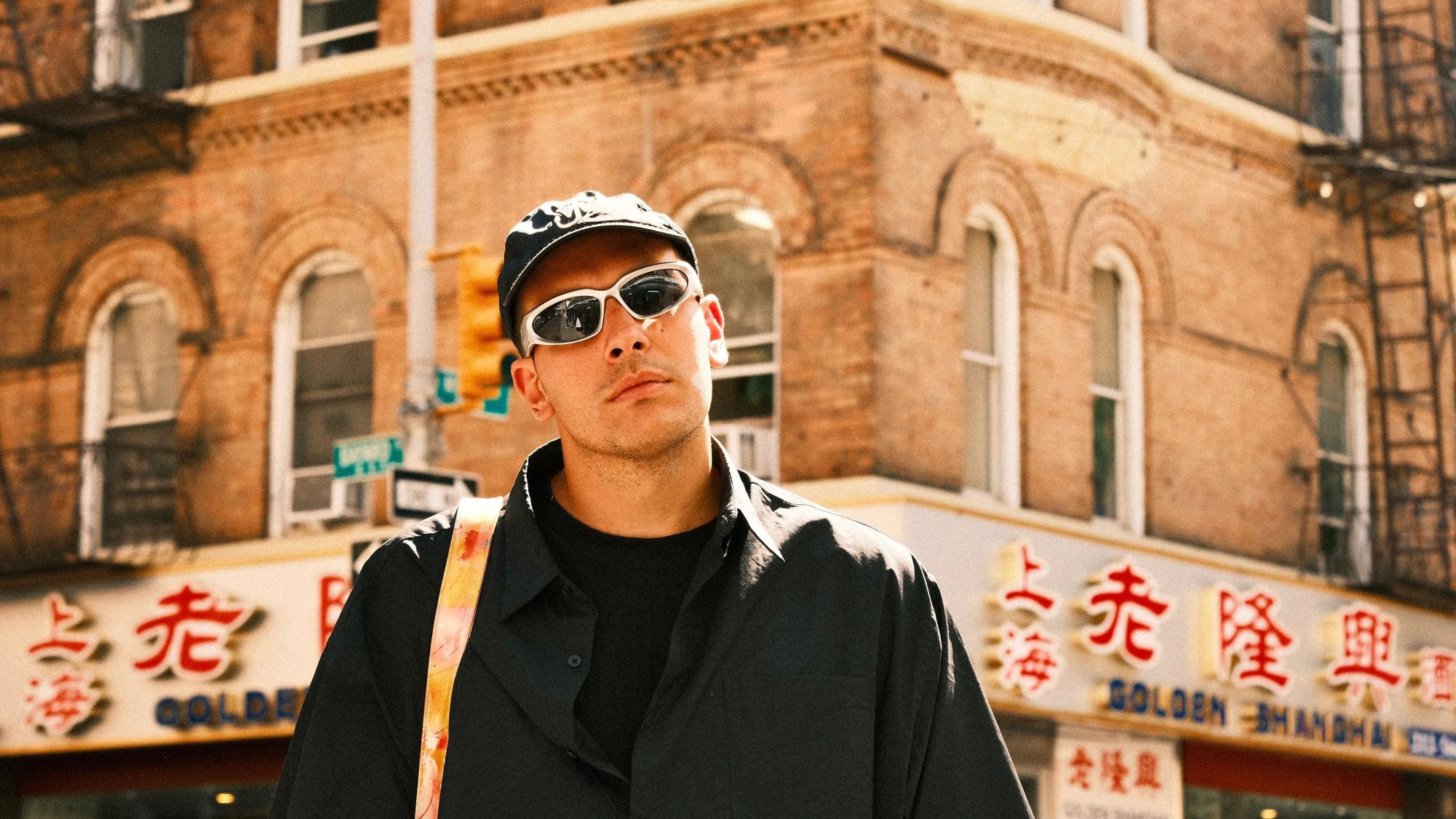
“Love Story” reignited an era of fashion in which men wore suits, loafers and slacks day to day, all while upholding an essence of nonchalance. As a result, men now have a reason to dress up rather than always defaulting to their favorite sweatshirt. In an era of Harry Styles and Chalamet look-alikes, Kennedy’s style offers an outlet for expression that keeps one foot firmly planted in what still reads as comfortably masculine.
This was not Murphy’s first rodeo. He has a habit of dressing men onscreen and sending the internet into a frenzy. His Menendez Brothers biopic, “Monsters: The Lyle and Erik Menendez Story,” was no exception. The boys typically dressed head-to-toe in polos, sweater-vests and boat shoes, completing the rich-business Los Angeles aesthetic. Men latched onto the Menendez brothers’ style as if they were waiting their whole lives to live out their very own frat boy dreams.
The JFK Jr. look-alike contest drew people of all ages and backgrounds, including Fordham’s very own “baby face,” as the New York Post calls him, Jack Silane. Silane, Gabelli School of Business at Lincoln Center ’28, attended the contest less as a JFK Jr. wannabe but as someone who takes his own style very seriously, even if it’s only for his financial management class.
For Silane, the contest was less about winning and more about clothes. He and many others have shifted away from seeing JFK Jr. as a costume but towards embodying the ease and minimalism of his look. The goal is not direct imitation, but capturing the sensibility behind it, a look that reads as effortless rather than a costume. For many, that means using Kennedy’s style as an entry point: polished but not flashy, intentional yet approachable. Think classic button-downs, light layering and slightly unexpected pairings, outfits that feel authentic without trying too hard and still sit perfectly within the bounds of the stereotypical masculine dress code.
The change in mindset is a good thing. As gender roles blur, men’s fashion is moving away from indifference and towards intention, even if it remains somewhat tentative. As “old money” trends rise on social media, men are becoming increasingly conscious of their everyday outfits. Still, not everyone is ready to fully commit. Most are picking and choosing, testing the waters rather than diving in.
It can be nerve-racking to know where to start with men’s fashion in a culture that’s judgmental and performance-driven. A sudden style shift is hard to hide, swap your default hoodie for a cashmere sweater and everyone will notice. This opens the door to potential critiques that make it harder to experiment gradually with fashion.
Back at Washington Square Park, backward newsboy caps and tailored suits with linen shirts rolled up were all you could see for miles. The evaluation of men’s style is enchanting to watch. For one afternoon, men could dress up without sacrificing their masculinity. But even if the look didn’t land, so what? If it did land, they could walk away with something more valuable than a cash prize: a new sense of confidence and conviction in how they dress, plus being told that you look like an attractive celebrity doesn’t hurt.
Fashion has been a medium for building self-identity, a way to mold your own image. It has always been one of the most immediate forms of self-presentation. But once men realize how much attention their outfits draw, experimentation can morph into an ego-fueling tactic, and participating in a look-alike contest can be the perfect stage.
If fashion is, at least in part, performative, then it makes sense that spaces have emerged around that idea. Look-alike contests are inherently ego-centric; the whole premise relies on attractiveness and celebrity resemblance. Few would go out of their way to say they resemble someone like Tyriq Withers, the embodiment of perfection, or even seek validation through comparison, without some level of confidence. Validation is definitely sought, but that doesn’t make all men entirely shallow.
The lines are blurry, and that ambiguity is part of the point. For many, especially younger men, these spaces offer a perfect launchpad for experimenting with fashion, as they provide a safe space. There is a tendency to dismiss this type of self-branding as inauthentic or overly performative, and while this may be true in some cases, it overlooks a larger cultural shift underway: men are using fashion as a form of experimentation. Men’s wardrobes have long been defined by hesitation and restraint in engaging with true self-representation. They are now able to find their identity through creative mediums like fashion, even if for some it’s limited to protective spaces like these look-alike contests.
So, let’s lay off the guy who’s trying to figure out whether his personal brand is a JFK-inspired tailored suit or even an oversized windbreaker à la Chalamet. Yes, that includes the dude who looked at Styles’ tiny short-shorts and thought, “Yeah, I could pull that off.” Whatever it may be, fashion is a bundle of experimentation, a trial-and-error process, comprising pieces that can eventually morph into personal authenticity. Society places a lot of pressure on people to present a certain way, and in doing so, people end up conforming. Grace should be given to those who aren’t afraid to step outside the box. No one’s first outfit is their best, but it’s a stepping stone toward finding a style that makes them feel their best.
Ben • May 1, 2026 at 11:06 am
Very well written, engaging piece!
Hannah • Apr 30, 2026 at 10:20 pm
This was really insightful into how celebrity look alike contests are shaping our culture and giving more people an interest in fashion!!