
This past winter break, Fordham students had the opportunity to embark on a lifetime-defining trip to Mexico in partnership with the sustainable farming organization Enlaces Comunitarios Internacionales through Fordham’s Global Outreach (GO!) program. GO! describes itself as a cultural immersion experience that connects students with communities to explore global inequity.
Students worked hands-on with Bamboo Architecture Company, exploring how bamboo, a renewable and ecologically friendly resource, could push toward sustainability in an incredibly unsustainable world.
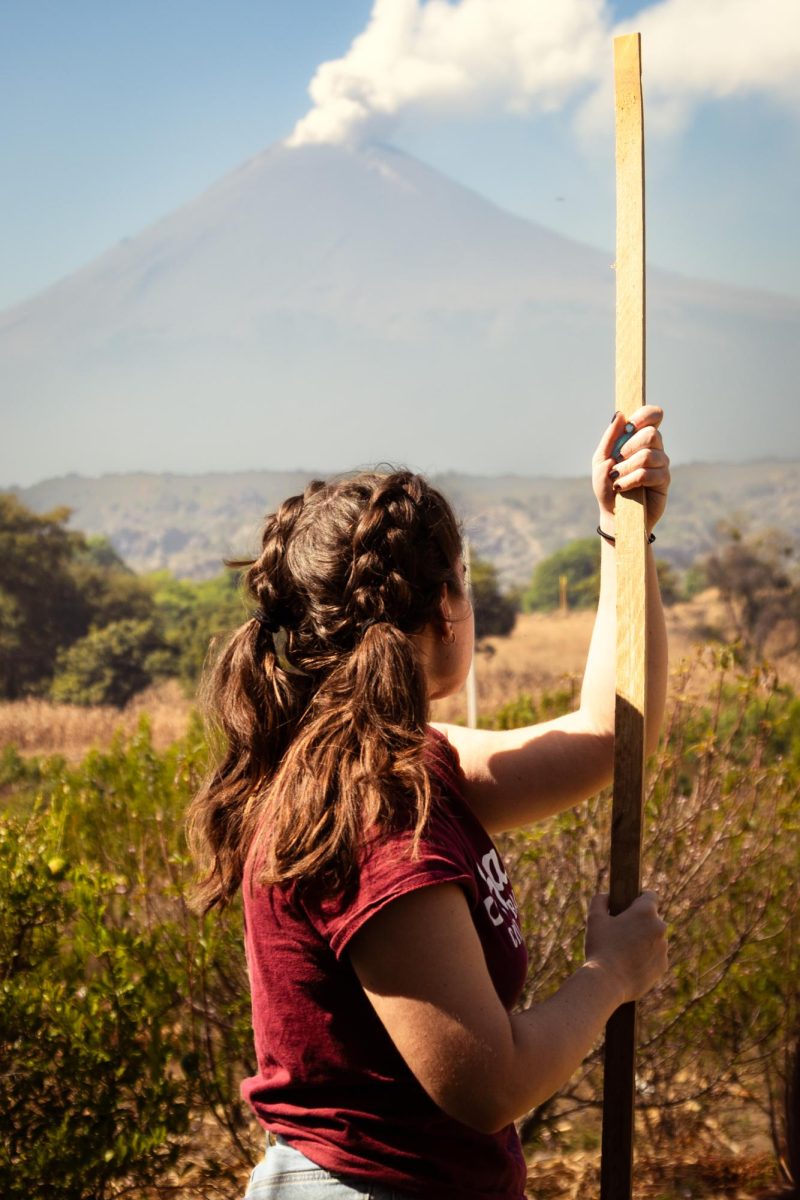
Guided by Arturo Ortega, the director of Enlaces, students realized the importance of permaculture by working on the farm from sunrise to sunset, sifting through chia seeds, creating cement by mixing mud and hacking through bamboo with a machete to create compost.
Students described the experience to be life-altering. Over the week-long experience, members of the Fordham community woke up together, ate together, explored together, worked together, laughed and cried together, embodying the principles of simple living, solidarity and community that GO! strives to foster.
“Being from Cholula, I always felt connected to my culture, but this was the first time I felt connected to my ancestors.” Mercy Mino Almonte, FCRH ’27
Students of Mexican heritage noted how being on the trip brought them back to their roots in Mexico, and that simply being there required deep processing and reflection over the course of the trip. GO! Participant Mercy Mino Almonte, Fordham College at Rose Hill (FCRH) ’27 noted, “Being from Cholula, I always felt connected to my culture, but this was the first time I felt connected to my ancestors.”
Toward the end of the experience, Fordham students helped build a temazcal, a Mesoamerican sweat lodge with deep indigenous ties to Mexico. Temazcals are typically used in ceremonies meant to purify the body and mind, often referred to as healing rituals. After using bamboo to build the structure over a day’s work, Fordham students loaded into the packed hut one by one, many wearing light clothing in anticipation of the heat to come.
The temazcal has four stages, often referred to as doors, sequentially representing water, wind, earth and fire. The ceremony started with 13 scalding rocks being placed in the ground inside the sweat lodge. Boiling hot water was poured on the heated rocks to create a thick fog of steam, masking everyone in sweat and precipitation. Many were careful to angle their feet away from the water out of fear of getting burned from the splash. For each of the four stages, 13 more rocks were added with more boiling water to increase the power of the purification process, so by the fourth and last stage — aptly named fire — there would be 52 hot rocks in the little hut. Each stage began with a call to each individual in the hut, typically a question evoking thoughts of loss and sadness or others of hopes and dreams. Everyone shared what they wanted to let go of, what they wanted out of life, what they were afraid of and who they wanted to be.
Throughout the first stage, participants were clearly uncomfortable but remained strong.
By the second, the heat had noticeably grown stronger, yet people opened up more when it was their turn to talk. Some people laughed, others cried and one even passed out, but everyone continued on. Many even decided to put their head down, curling up in a fetal position on the ground as a way of feeling the coolness of the grass amid the steam of the air.
At the third stage, most had acclimated to the intense heat, though it was still overwhelming. When asked by the healer who led the temazcal if they wanted to reduce the number of rocks for the last stage from 13 to seven, everyone refused, instead embracing the heat out of desire for the full experience of the ceremony.
By the fourth and final stage, the little hut was filled with equal parts tears and sweat. In the unbearable heat, many had no choice but to break down and be honest with one another.

One by one, students, chaperones and members of the community all hugged each other tightly, overwhelmed by emotion in a completely raw response to the experience.
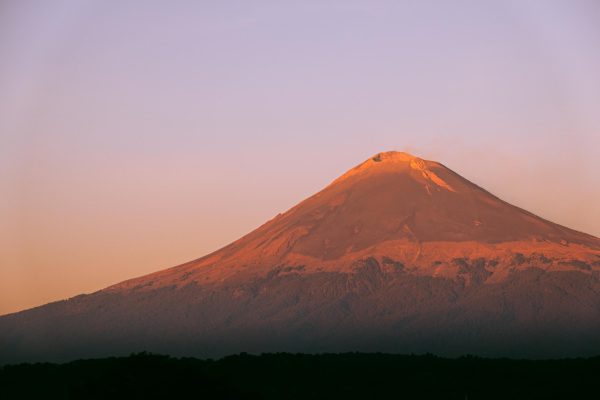
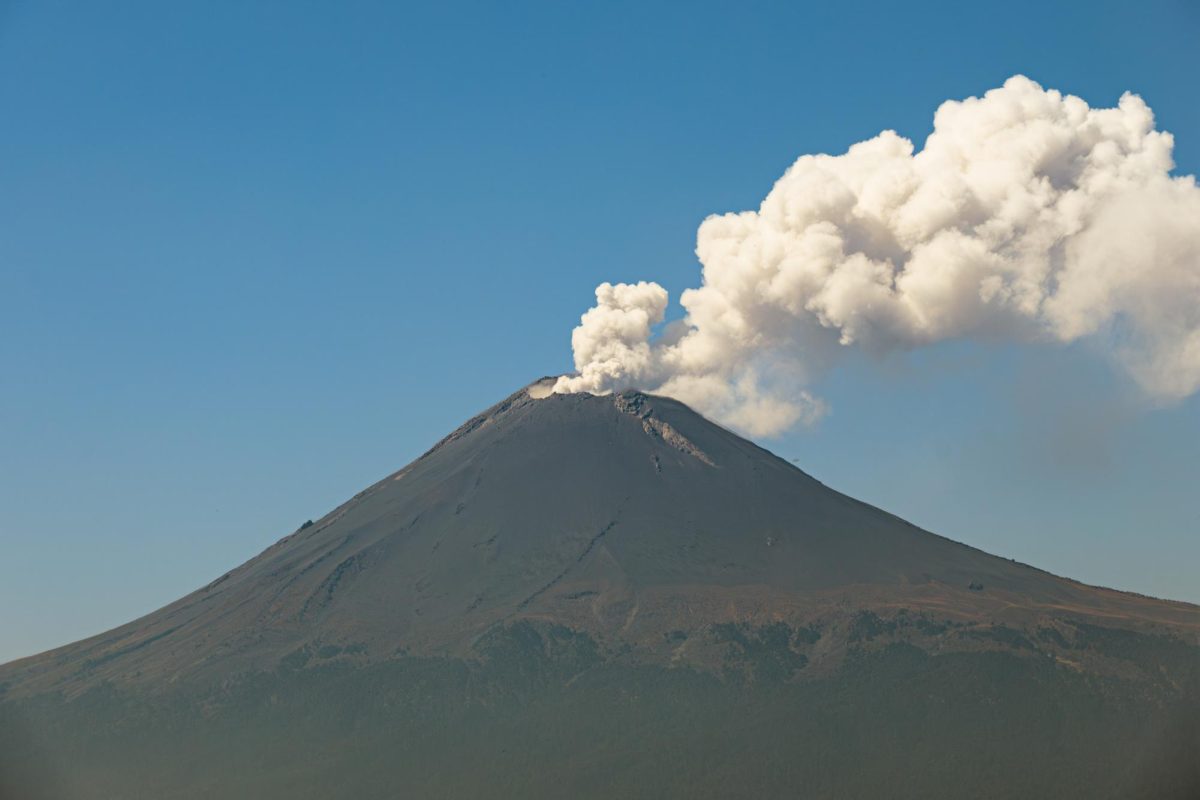
After a staggering two hours in the fixture, the ceremony finished. Fordham students were greeted by the afterglow of the sunset over Popocatépetl, Puebla’s own stratovolcano, which overlooked the scene perfectly.
One by one, students, chaperones and members of the community all hugged each other tightly, overwhelmed by emotion in a completely raw response to the experience. At the dinner table afterward, everyone reported that it was one of, if not the best day, of their lives, noting a sense of being reborn together after being emotionally drained by the experience.
The next morning, some stayed up to watch the sunrise over the volcano one last time. The members of GO! had to return to New York City to start classes the following Monday. Many vowed that the effect of the trip would never be lost on them, citing that it was an unforgettable experience that they would take with them for the rest of their lives.