


Once upon a time, Hollywood mothers were sanitized and selfless. They served as noble, static anchors, perfect for the background and essentially unchanged by the plot’s developments. Yet, as real-world discussions about women’s work-life balance and independence have gained momentum in the past decade, TV and film began to reflect these conversations.
As our generation has matured, so has the portrayal of mothers in film and television. Moms in the early 2000s mirrored an industry and audience that were not ready to confront the complexities of womanhood. As the industry evolved, though, Hollywood mothers have grown into full, flawed and real people, reflecting a generation now mature enough to see them clearly.
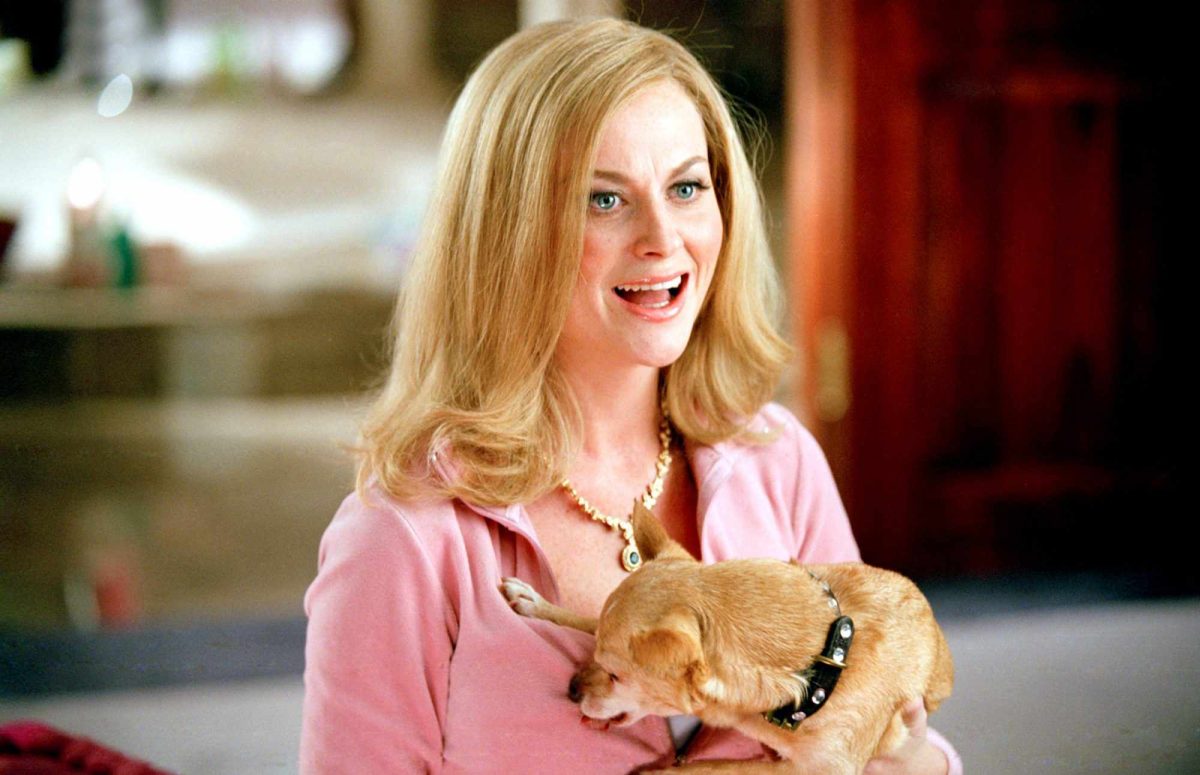
Blockbuster films of the 2000s featured mothers used for comedic relief rather than genuine character development. In “chick flicks” of the time, such as “Mean Girls” (2004), motherhood is often sidelined. The film relegates mothers to the background, using them to stir conflict or provide humor. For example, Regina’s mother professes herself as a “cool mom,” asking Regina and her friends for the “hot gossip.” Her identity is so closely tied to her daughter that she neglects her own personal development.
Blockbuster films of the 2000s featured mothers used for comedic relief rather than genuine character development.
“Gilmore Girls” (2000-–07) follows Lorelai, a young mother, and Rory, her daughter, in their relationship. Conflicts in the show often include Lorelai getting irritated with Rory for rebelling as a teenager. The plot holds potential for an emotionally appealing maternal drive, but it’s rarely sustainable in reality. The show frames motherhood as an uncomplicated balance of independence and emotional availability, leaving little room for the messier realities of single parenting.
Lorelai is perceived as an imperfect mother, but her behavior often paints a different picture. She is endlessly patient, emotionally receptive and always available, setting an unrealistic standard for how mothers truly behave. Her hardships are more to serve a certain aesthetic rather than being grounded in struggles akin to reality. The show offers sentimental value to motherhood but lacks complexity.
In either case of mothers on screen in the 2000s, they were never provided with depth, instead being strictly reduced to the butt of a joke.
McDougall argues that true feminist equality is demonstrated when women in these roles can be portrayed as weak, selfish or wrong, not just “strong.”
“Gilmore Girls,” while often praised for its depiction of ambitious women, is largely a cultural fantasy for motherhood, albeit a progressive take on single motherhood. This is exactly the kind of representation that Sophia McDougall pushes back against in her viral 2013 essay, “I hate Strong Female Characters.”
McDougall argues that the concept of a “strong female character,” an endlessly resilient feminine personality in a film or television show, is used by the industry to suggest feminist progress; however, upon taking a step back, the woman remains one-dimensional, rarely vulnerable and lacking complexity.
McDougall’s critique raises an important question: Why do we only ever talk about strength when discussing feminismwomen? She argues that true feminist equality is demonstrated when women in these roles can be portrayed as weak, selfish or wrong, not just “strong.”
McDougall’s essay sparked a conversation about steering away from polished “strong female characters” and towards imperfect female roles. She argues that women on screen deserve the same depth that male characters have been afforded for so long.
Now more than ever, imperfect mothers are at the core of film discussions.
Paired with the #MeToo Movement, peaking in 2017, Hollywood underwent a shift in its portrayal of women’s stories. The movement brought attention to the systematic mistreatment of women in the industry, highlighting the emotional turbulence of sexism, harassment and silence in professional settings. As a response, it became crucial to center these stories in forms of entertainment in order to raise audience awareness.
This shift became visible in TV dramas like HBO’s “Big Little Lies,” released in 2017, following mothers and the lengths they’d go to protect their kids. The story sheds light on domestic abuse, tackles repressed anger and explores the mothers’ identities. They often make mistakes, being vulnerable at times and resilient at others, mirroring authentic human experience.
“The Bear” (2022) follows Carmy, a chef who runs his late brother’s business as he deals with the loss of his brother. The show takes the evolution of maternal characters further as Carmy’s mother, Donna, isn’t the sole focus of the show; rather, her portrayal deepens the emotional texture woven into the story. She’s far from idealized — she suffers from mood swings and is frequently unstable.
Rather than being merely a background character, Donna is the reason for much of the show’s depth, as her choices affect her family as the seasons develop. She serves as a mirror for generational pain that affects everyone she encounters differently, all while playing a supporting role.
Also in 2022, these complexities were highlighted in A24’s “Everything Everywhere All at Once” as well. The movie’s nearly year-long theatrical run was proof enough that the story’s compelling mother-daughter relationship resonated with audiences.
The film swept the 2023 Oscars, winning seven awards, including best picture. It signaled that stories centered on flawed, multidimensional mothers were no longer a niche; they were defining cinema. Instead of being described simply as “strong” — and as such, lacking humanity — in the way early 2000s cinema might have developed her character, Evelyn Wang is inarguably human. She is frequently frustrated, yet always loving and often unsure of how to express it. These traits provided maternal depth that drove the story’s narrative and cultural impact.
The audience’s reception of a character like Evelyn Wang is subjective; some may find beauty in her heroic moments, while others might resonate more with her exhaustion. Her character is relatable: never perfect, always trying.
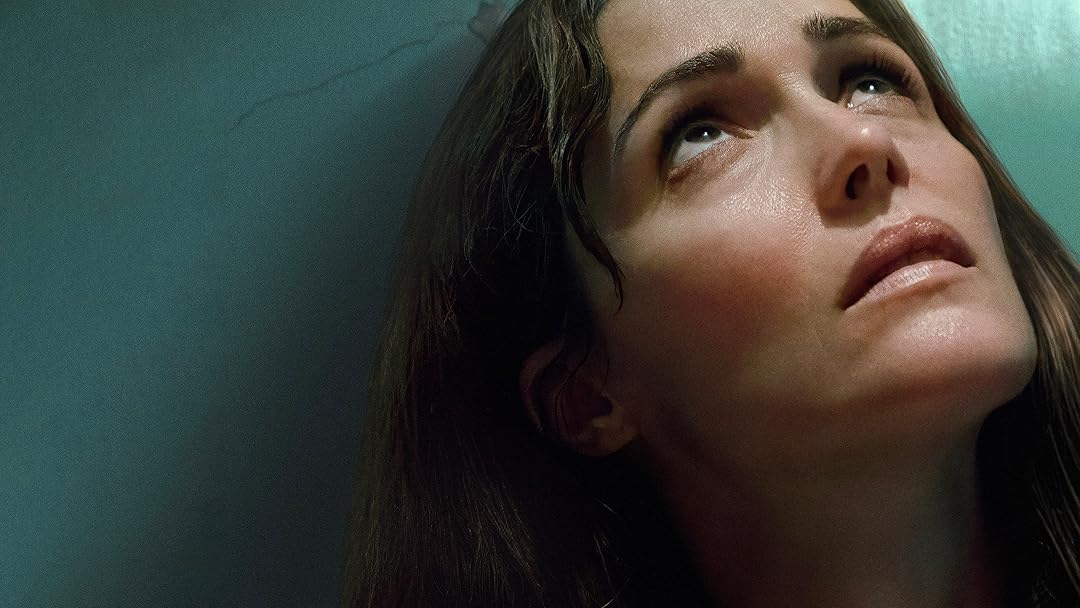
Now more than ever, imperfect mothers are at the core of film discussions. “Die My Love,” starring Jennifer Lawrence, and “If I Had Legs I’d Kick You,” starring Rose Byrne, are both recent releases from the last few months following mothers who struggle to cope with stretching themselves too thin for their children.
Lawrence portrays a mother suffering from severe postpartum psychosis. It’s easy to leave her performance feeling uneasy, but more importantly, it sparks conversations about the realities of motherhood being messy, unstable and occasionally dark. Watching her unravel on the screen is disturbing because it’s rooted in reality. Lawrence’s raw depiction of a distressed, spiraling mother is a stark contrast to the comedic, artificial mothers Hollywood once relied on — it marks a dramatic change in how motherhood has evolved on screen.
Similarly, Byrne plays a mother who is pulled in every direction. She is balancing her work as a therapist while tending to her daughter’s illness. She garners empathy from the audience while making objectively questionable choices, depicting quiet resentment paired with care work. She makes many sacrifices for her child, yet occasionally acts selfishly out of exhaustion and fatigue. Each breakdown she has is never seen as a failure, but rather, as human. She is never entirely “strong”; instead, she struggles to hold everything together, which feels far more potent than if she were perfect.
With these maternal roles rumored to be in contention for this year’s awards season, it could mark a turning point in Hollywood’s depictions of motherhood, shifting the spotlight to complex mothers who deserve attention and acclaim. It remains to be seen, depending on the outcome of these films’ successes, whether Hollywood is genuinely embracing the idea of nuanced motherhood or simply responding to a cultural moment seen as marketable.
These portrayals reflect a long-overdue shift in our perception of motherhood, encouraging audiences to appreciate mothers as whole characters rather than one-dimensional figures; they validate personal experience, evoke empathy and challenge stereotypical ideals about motherhood.
After seeing these films, I frequently found myself calling or texting my mom more often than usual. I watched the quiet sacrifices Byrne never let her kid see in “If I Had Legs I’d Kick You” and saw how love is the root of frustration in “Everything Everywhere All at Once,” so I knew I had lots to thank my mom for.
It became clear, though, that these portrayals not only reshape film — they serve as a reminder to look at the women who raised us, allowing us to carry our mothers with more grace and appreciate the lengths they’ve gone to for the sake of their kids.
I asked my mom her thoughts on this recent trend in depictions. She agreed, saying, “We get pulled every which way, no matter how hard we try,” and that the shift toward more realistic mothers is “absolutely necessary.” She added that what many of these films are trying to convey is simple but profound: “No one can do it all and do it all well.”
The empathic knot in my chest watching these mothers stems from knowing that my mother has undoubtedly carried a lifetime of that same love and exhaustion at her own expense. This knot is not shaped by guilt, but by a renewed appreciation for how I was raised.
The film industry shielded us from the actual colors of womanhood for far too long, providing us with characters who, while admirable, rarely felt real. But now that we’ve matured, having conversations about true feminism that embraces the strengths and weaknesses that come with being human, the screens we watch have begun to catch up. These portrayals reflect a long-overdue shift in our perception of motherhood, encouraging audiences to appreciate mothers as whole characters rather than one-dimensional figures; they validate personal experience, evoke empathy and challenge stereotypical ideals about motherhood. The realism behind these characters we view is the strongest portrayal of all.